To roll out secure IT asset disposal in a small business, write a simple policy, tie it to employee offboarding, track every handoff, wipe data before reuse, and work with a certified ITAD partner.
Even the best servers, laptops, and storage gear age out. Before you toss or donate them, remember: those devices still hold company data. Done wrong, disposal can lead to a breach or a compliance headache. IT Asset Disposition (ITAD) is the structured, ethical, fully documented way to retire hardware—without exposing your business.
Why Secure IT Asset Disposal (ITAD) Matters
Old equipment isn’t just clutter. Until it’s handled the right way, it’s a liability. A clear, repeatable process protects sensitive information, proves compliance during audits, and supports responsible recycling for offices around Panama City and across Bay County.
1. Put a Clear, Short Policy in Writing
Start with a policy that spells out what happens when a company-owned device is retired. Keep it straightforward—no jargon required. It should cover:
- How your business decides an asset is ready to retire and the steps that follow.
- Who requests, approves, receives, and handles each device at every stage.
- Which data destruction standards you follow and what final reports are required.
This turns one-off tasks into a consistent routine. A defined chain of custody and clear roles create accountability from start to finish.
2. Build It Into Employee Offboarding
Lost or unreturned gear is a common source of data leaks. Add device recovery to your offboarding checklist so laptops, phones, tablets, and external drives always come back. When HR logs a resignation or termination, your IT team should be notified immediately to secure accounts and schedule collection.
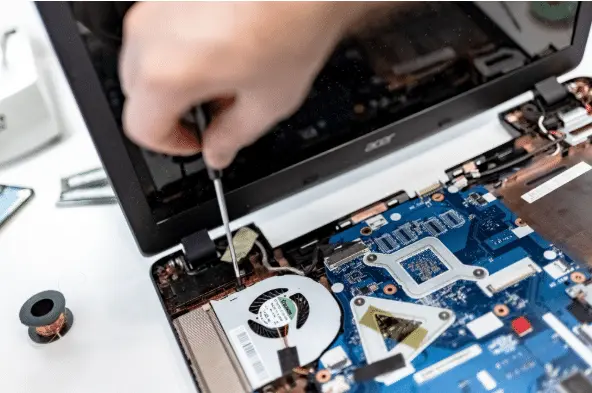
After pickup, wipe the device with approved data sanitization methods, then decide its fate. Good hardware can be reassigned. Outdated units move into your ITAD process for responsible disposition. This discipline closes a major security gap and keeps sensitive information under your control.
3. Document the Chain of Custody
Once a device leaves an employee’s hands, you should be able to trace every move. Maintain a chain-of-custody record that notes who handled the asset, when, its status, and where it was stored.
A simple paper log works, as does a digital tracking tool—use what fits your business. The goal is a clean audit trail that prevents misplacement or tampering and shows due diligence if you’re ever asked to prove it.
4. Wipe Data First; Destroy Hardware Only When Needed
Many assume shredding drives is the only safe option. For most small businesses, that’s unnecessary and tougher on the environment. Data sanitization uses specialized software to overwrite a drive with random data so the original information can’t be recovered. The data is gone, but the device can often be refurbished and reused.
Refurbishing extends the life of your hardware and supports the circular economy—keeping materials in use longer, reducing waste, and conserving resources. This approach shrinks your environmental footprint and can even generate some value from older equipment.
5. Work With a Certified ITAD Company
Secure wiping and documentation require the right tools and expertise. A certified partner can handle this at scale. Look for recognizable, verifiable credentials. Common, globally accepted certifications include e-Stewards and the R2v3 Standard for responsible electronics reuse and recycling, and NAID AAA for data-destruction processes.
These certifications show the vendor follows strict environmental, security, and data-destruction practices and accepts liability for your retired assets. When work is complete, they should issue a certificate of disposal—covering recycling, destruction, or reuse—so you can document compliance during audits.
Turn Old Tech Into Proof of Good Security
Treated casually, retired devices put your business at risk. With a practical ITAD program, those same assets become evidence of your commitment to data protection, sustainability, and compliance.
Want help building a right-sized process for your Bay County office? Let’s talk—get in touch.
—