The 2023 cybersecurity attitudes report shows we’re online constantly, people feel overwhelmed by security, and many lack training—making simple habits, stronger passwords, two-step login, and cybersecurity awareness training critical for businesses in Panama City and beyond.
What This Year’s Global Report Looked At
Risky day-to-day choices—like weak or reused passwords and casual security practices—drive most breaches. In fact, human error is behind about 88% of data breaches.
The National Cybersecurity Alliance and CybSafe publish an annual study of how people think and act online. The latest report on cybersecurity attitudes and behaviors surveyed 6,000+ people across the U.S., Canada, the U.K., Germany, France, and New Zealand. It explored people’s understanding of risks, the security steps they take, and the hurdles they face.
We’re Online Constantly—And Storing Sensitive Data
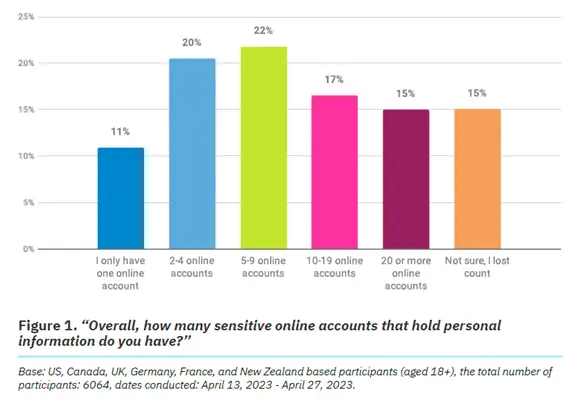
According to the report (source), 93% of respondents go online every day. Logins keep piling up, and so do accounts with personal details you don’t want exposed. Nearly half (47%) say they have ten or more sensitive accounts. That’s a big risk if any passwords are reused.
Security Feels Hard—But You’re Not Powerless
Most people (84%) say online safety matters, yet many feel stuck. About 39% feel frustrated, and a similar share feel intimidated by security. Just over half believe they have control over their digital safety (source).
Even so, a few proven steps make a real difference: turn on two-step login (multi-factor authentication), use a spam filter for email, add a DNS/web filter to block dangerous sites, and use strong, unique passwords for every account.
Why Cybersecurity Awareness Training Matters
Training reduces everyday mistakes. Yet access is limited: only 26% of all respondents say they have cybersecurity training available. Employment status matters here. Among people who are working, just 53% have access to security awareness training and use it. Those not currently employed are least likely to have any training at all (source).
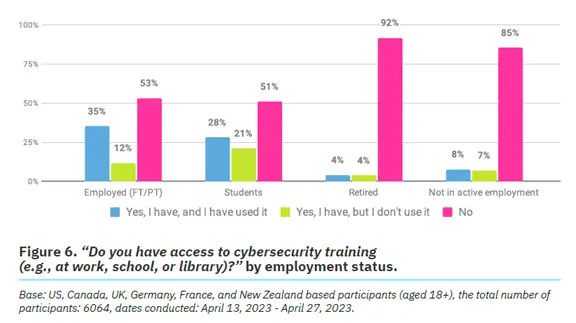
For businesses around Panama City, building a regular training routine can cut risk across the board—especially for teams that handle sensitive data every day.
More People Are Reporting Cybercrime
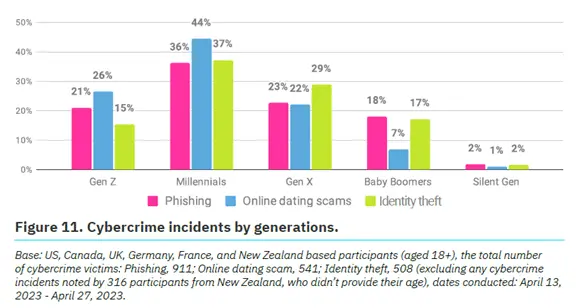
Over a quarter (27%) say they’ve been a victim of cybercrime. Reported incidents include:
- Phishing (47%)
- Online dating scams (27%)
- Identity theft (26%)
Millennials reported the most incidents, while Baby Boomers and the Silent Generation reported the fewest (source).
Practical Steps To Lower Your Risk
- Create strong, unique passwords:
- Use a different password for every account.
- Combine upper- and lowercase letters, numbers, and symbols.
- Turn on two-step login (multi-factor authentication):
- Add a second check—like a code or app—so a stolen password isn’t enough.
- Keep software up to date:
- Update operating systems and apps on computers and mobile devices.
- Watch for phishing:
- Be cautious with links and attachments, especially from unknown senders.
- Check for red flags like odd URLs or unfamiliar email addresses.
- Use secure Wi‑Fi:
- Connect to password-protected networks.
- Avoid public Wi‑Fi for sensitive work unless you use a VPN.
- Back up your data:
- Back up important files regularly to an external drive or secure cloud.
- Run antivirus/anti‑malware:
- Install reputable protection on all computers and devices and scan regularly.
- Tighten social media privacy:
- Review privacy settings and limit what’s visible publicly.
- Lock your devices:
- Require a strong passcode or use biometrics (fingerprint/face) on phones and laptops.
- Keep learning:
- Use cybersecurity awareness training to build habits and a security‑minded culture.
Frequently asked questions
What counts as a “sensitive” account?
Any login that holds personal or business details that could harm you if exposed—banking, payroll, HR portals, email, cloud storage, healthcare portals, and key vendor accounts.
How often should we run cybersecurity awareness training?
Short, frequent refreshers work best. Aim for ongoing micro‑training and periodic phishing simulations, plus a deeper annual review of policies and tools.
Is two-step login really necessary for small businesses?
Yes. Two-step login (multi‑factor authentication) blocks many account takeovers, even if a password is stolen. Turn it on wherever it’s offered—especially email, banking, and cloud apps.
If you’d like help rolling out cybersecurity awareness training or tightening security across your computers and devices, get in touch with Flux Labs.