The deepfake CEO scam uses AI to copy a leader’s voice and push urgent requests that bypass email defenses; the fix is strict call-back rules, second-channel checks, updated training, and slowing down approvals—especially for money and sensitive data.
It Sounds Like Your Boss—But It Isn’t
The phone rings. The voice on the line sounds exactly like your CEO. They want a quick wire to lock in a deal, or a client file sent right away. It feels routine, so you move fast.
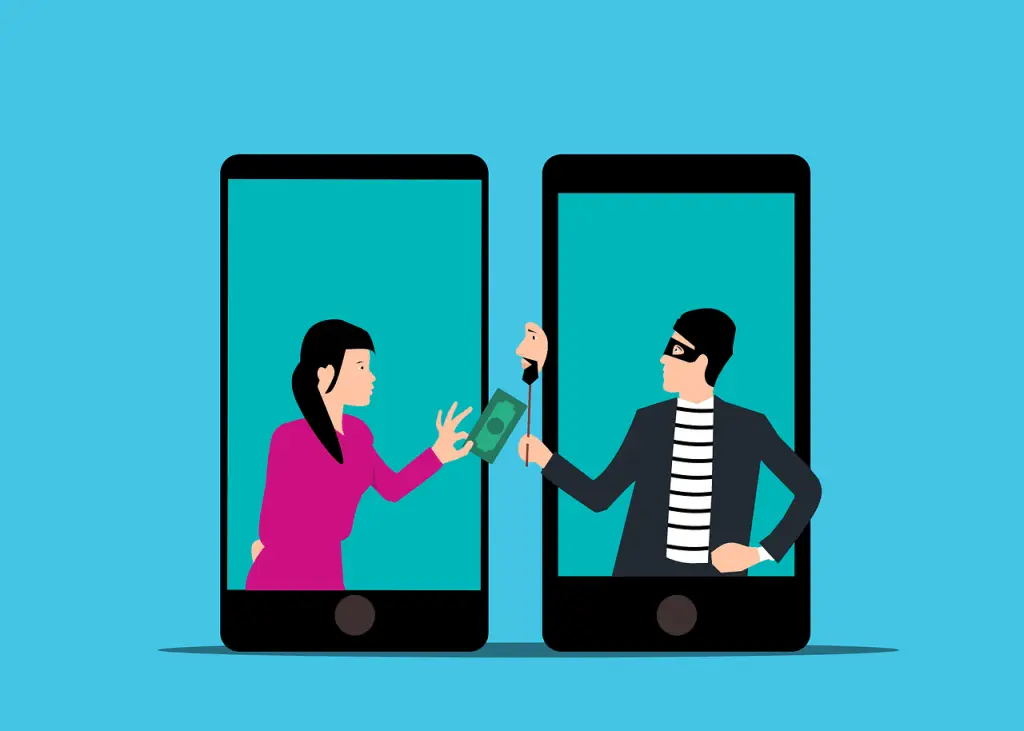
But a criminal can now mimic that voice with AI. One rushed call can trigger a bad transfer, expose private data, and create a mess that follows your business long after the call ends.
How Voice Cloning Fuels These Scams
We’ve all learned to spot sketchy emails. Odd grammar. Strange links. Misspelled domains. But few of us question a voice we recognize. That’s what attackers count on.
They only need a few seconds of audio—pulled from interviews, presentations, or social posts—to build a convincing copy. With widely available AI tools, a scammer types a script and the cloned voice says it.
The bar to entry is now low. You don’t need to be a coder to impersonate an executive. A short recording and a plan are enough.
Why the Deepfake CEO Scam Beats Old-School BEC
Traditional business email compromise (BEC) leans on phishing, spoofed domains, and hijacked inboxes to trick staff into sending money or data. Email filters keep getting better at stopping those text-based scams.
Voice cloning changes the game. A familiar voice adds pressure and trust that an email can’t match. You can take time to inspect an email. It’s harder to pause when a stressed "boss" is on the phone.
Vishing (voice phishing) uses AI voice cloning to jump past email security—and even some voice-based checks—by targeting people directly with high-pressure calls.
Why People Fall For It
These calls play on company hierarchy and social norms. Most employees want to help leadership, and few feel comfortable pushing back. Scammers often call right before a weekend or holiday to make verification harder and urgency higher.
AI voices can also fake emotion—anger, panic, or exhaustion. That emotional push can override careful thinking.
Catching Audio Deepfakes Is Tough
Spotting a fake voice is much harder than spotting a bad email. Real-time tools to detect audio deepfakes are limited, and our ears aren’t great detectors. The brain fills in gaps and makes what we hear feel right.
You might notice slight robotic tones, digital artifacts on tricky words, odd breathing, strange background noise, or a greeting that’s a bit off. But as the tech improves, these tells will fade.
Relying on people to “hear the fake” is not a plan. Put procedures in place to prove who’s calling.
Security Training Needs An Update
Many programs still focus on passwords and link-clicking. Modern awareness has to cover AI risks too. Staff should know that caller ID can be spoofed and a familiar voice no longer proves identity.
Run simulations for phone-based scams so teams practice staying calm under pressure. Make this mandatory for anyone who touches sensitive data or money—finance, IT administrators, HR, and executive assistants.
Build Call-Back Rules That Stick
The best defense is a hard rule: verify voice requests through a second channel before acting. Adopt a zero trust approach to voice requests involving payments or confidential information.
- If a “CEO” calls about a wire, end the call and ring back using a known internal number.
- Confirm via a separate, secure channel such as Teams or Slack before moving forward.
Some organizations add challenge-and-response phrases or agreed “safe words” shared only by approved staff. If the caller can’t respond correctly, the answer is no.
What’s Next For Verifying Identity
Digital identity is getting harder to trust. As voice scams improve, expect more in-person checks for large transactions and, over time, wider use of cryptographic methods to prove a caller is real.
Until then, slow the process down. Scammers rely on panic and speed. Insert pauses and verification steps to break their script—especially for offices around Panama City where close-knit teams move fast to help each other.
Plan For The Bigger Deepfake Problem
These threats go beyond lost funds. A fake recording of a leader can hurt your reputation, move markets, and create legal exposure. A damaging clip can spread before you can prove it’s not real.
Build a crisis communication plan that covers deepfakes. Voice scams are only the start. As tools become multimodal, real-time video fakes will join in. Know in advance how you will verify and explain the truth to customers, partners, and the press. Waiting until it happens is too late.
Frequently asked questions
What should I do if I get an urgent call about a wire transfer?
Hang up and call back using a trusted number from your directory. Then confirm details in a separate channel like Teams or Slack. Do not act until both checks line up.
Does caller ID prove the call is real?
No. Caller ID can be spoofed. Treat it as a clue, not proof. Always verify through a second channel.
Are there tools that can spot a fake voice in real time?
Few reliable real-time tools exist today, and human hearing is easy to fool. Use procedure-driven checks instead of guessing by ear.
Who needs training on voice scams?
Anyone who handles sensitive data or money—finance teams, IT admins, HR, and executive assistants—should get training and regular simulations.
Do “safe words” actually help?
They can. Agreed phrases known only to approved staff add another hurdle for attackers. If the caller can’t provide the right response, stop the request (source).
Want help tightening call-back rules and training your team? Flux Labs can assess your risks and build practical verification steps that fit your workflow—reach out and get in touch.
—