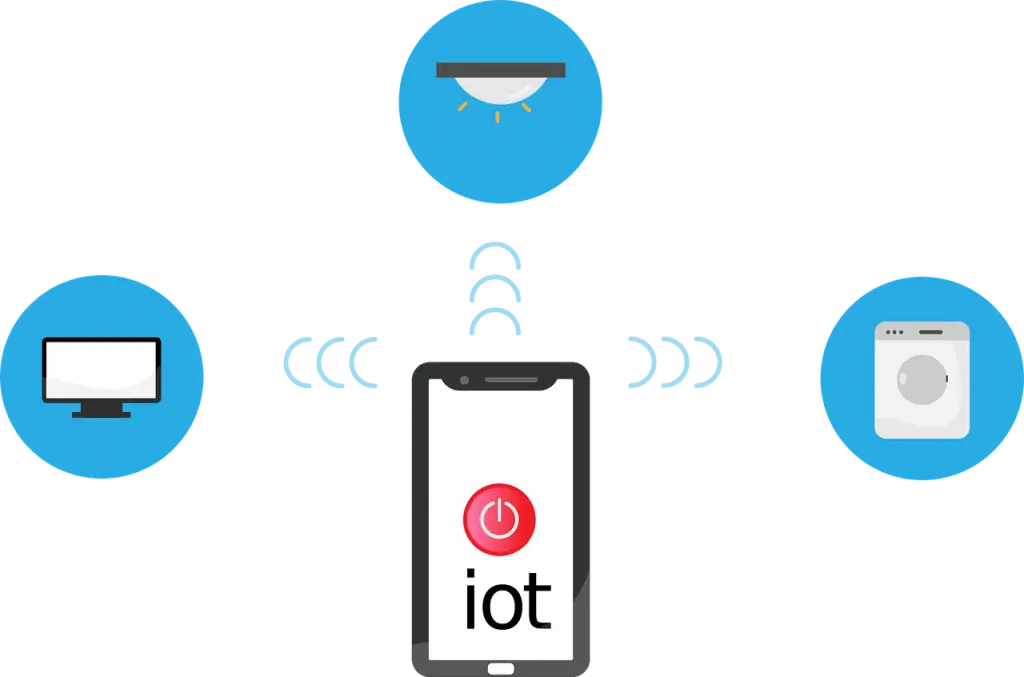
To deploy IoT devices on a business network, set clear goals, choose compatible gear and network design, build in strong security, roll out in stages, and keep tuning based on real data.
Smart sensors on production lines. Connected thermostats that trim energy costs. The Internet of Things (IoT) is now part of everyday business, not a science project. The number of connected devices worldwide is projected to grow from about 15 billion in 2023 to 21 billion in 2026 (source). If you’re adding these devices to your offices around Panama City, planning matters. Done well, IoT adds visibility and efficiency. Done poorly, it creates headaches and risk.
Start With What You Want IoT To Do
Before buying hardware, be clear on the business outcome. A short worksheet with your team can save time and cost later.
- What problem are you solving? Examples: faster response on the shop floor, real-time temperature readings, remote monitoring after hours.
- What data will you collect? Define the type (metrics, video, alerts) and the expected volume. This shapes storage, bandwidth, and app choices.
- How sensitive is that data? If it’s confidential or regulated, you’ll need stronger protections and tighter access controls.
With these answers, you can shortlist devices and design a network that actually fits your needs.
Pick Devices and Network Pieces That Fit
Two parts must work well together: the IoT devices and the network that connects them.
Choosing IoT devices
- Works with your current systems and apps
- Built-in security features (encryption, secure boot, tamper protection)
- Can scale if you add more units later
- Power needs you can support (battery, PoE, or mains)
Buy from reputable vendors and check their track record for timely firmware updates. Good firmware protection and a clear update process are must-haves.
Designing the network
Many office networks weren’t built for the extra chatter IoT creates. You may need to:
- Increase bandwidth to handle constant device traffic
- Create a separate network for IoT devices to keep them away from critical systems
- Use dedicated gateways that bridge devices to cloud platforms reliably
Make Security Part of Every Step
IoT can widen your attack surface if you don’t lock it down. Malware attacks on IoT devices jumped 77% in the first half of 2022 (source). Build security into procurement, setup, and daily operations.
- Harden the devices. Change default passwords, use strong unique ones, and keep firmware up to date. Turn on encryption and secure boot if available.
- Separate traffic. Put IoT on its own network so any issue there can’t easily spread to your core business systems.
- Control who and what connects. Use network access control to allow only approved devices. Back it with two-step login (multi-factor authentication) where sign-ins are required.
- Watch and maintain. Monitor for unusual activity and keep security policies and software current as threats evolve.
Roll Out Carefully and Manage Day to Day
With the gear and safeguards ready, move to deployment in a measured way.
- Follow the vendor’s install and setup guides closely
- Pilot first, then test functionality and performance before full rollout
- Document standards for naming, network segments, and user roles
- Plan ongoing management: routine maintenance, firmware updates, and alert handling
Keep Improving With What You Learn
IoT isn’t “set and forget.” Use what the devices tell you to refine your approach.
- Review the data. Look for trends, bottlenecks, and quick wins you can act on.
- Invite feedback. Ask the people using the data and tools what helps and what gets in the way.
- Stay current. Track new capabilities so you can adopt them when they make sense for your goals.
Frequently Asked Questions
Do we really need a separate network for IoT?
Yes, in most cases it’s wise. Segmentation limits the blast radius if a device is compromised and helps you apply the right controls without slowing down your main business systems.
Are consumer smart devices okay for the office?
Some are, but many lack update policies, encryption, or management features businesses need. Check for security features, vendor support, and compatibility before bringing them onto your network.
How can we scale later without starting over?
Choose devices and gateways that support centralized management, and design the network with room to add capacity. Document standards now so you can add more devices consistently later.
What about compliance (HIPAA, PCI, FINRA, CMMC, NIST)?
Match your controls to the sensitivity of the data and your industry rules. Segmentation, access control, encryption, and audit trails are common needs. Confirm specifics with your compliance team.
Sources and further reading
- Number of connected devices worldwide (Statista)
- IoT stats and trends, including malware increase (CompTIA)
Need a hand planning or securing IoT for your office in Bay County? Flux Labs can help you do it right the first time—feel free to get in touch.